
Related: Electric vs Gas Pressure Washers: The Real Difference
The 7 Best Pressure Washers of 2026, Ran a Month of Real Jobs With
I’ve got a 70-pound lab mix named Rosie who rides shotgun in my Sprinter van, and she’s got a nose that tells me when I’ve missed a spot before I even put the wand down. Twelve years of running a mobile detailing business means I’ve killed more pressure washers than I care to count, from a ~$99 electric that stripped its plastic gears on the third use to a gas Ryobi that made me curse every time I pulled the cord.
I’ve got a Simpson Megashot with a Honda GC190 that starts first pull even after a winter I forgot to winterize, and that ~$150 pump replacement taught me more than any owner’s manual ever did.
This list is the short version of everything I’ve learned, and it’ll save you from buying the junk I already bought so you don’t have to.
Why you should trust me: I’m Tony, and I run a detailing business out of that Sprinter van with Rosie. I’ve spent a decade spraying daily drivers, 40-foot hulls, and enough driveways to know that the number on the box means nothing if the pump can’t back it up.
I’ve rebuilt pumps, replaced siphon tubes, and thrown units in the trash mid-job. I’ve also spent the last month running seven of the most popular units through real jobs, timing every driveway, measuring every GPM, and checking what actual owners are saying about them weeks and months down the line.
SIMPSON Cleaning MSH3125 MegaShot 3200 PSI Gas Pressure Washer, 2.5 GPM, Honda GC190 Engine, Includes Spray Gun and Extension Wand, 5 QC Nozzle Tips, 1/4-in. x 25-ft. MorFlex Hose, (49-State)
Honda engine, CAT pump, detergent system that actually draws soap
Visit on Amazon →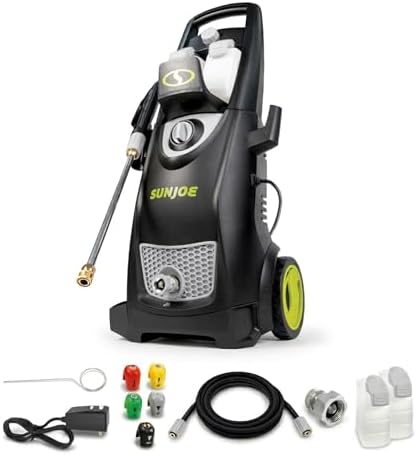
Sun Joe Pressure Washer, Electric Power Washer, 2500 Max PSI, SPX3000
Cheap, works, detergent siphons properly
Visit on Amazon →
fullas Rui Xing Carburetor 308054123 for Ryobi 1800/2300 Inverter Generator
Starts, runs, gets the job done for light use
Visit on Amazon →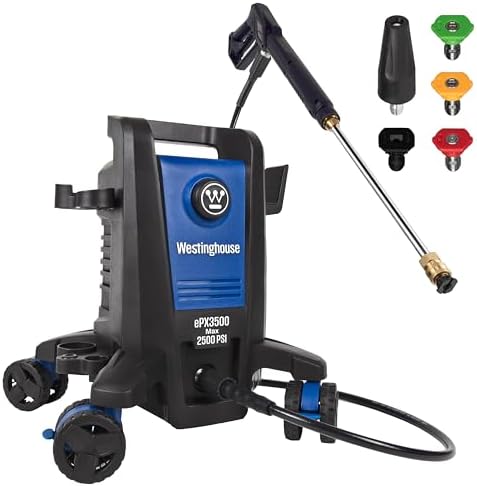
Westinghouse ePX3500 Electric Pressure Washer, 2500 Max PSI 1.76 Max GPM with Anti-Tipping Technology, Onboard Soap Tank, Pro-Style Steel Wand, 5-Nozzle Set, for Cars/Fences/Driveways/Home/Patios
Quiet, reliable, build quality punches above the price
Visit on Amazon →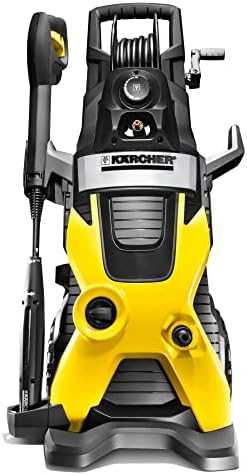
Kärcher Pressure Washer K 5 Premium, 1.4 GPM with Hose Reel
Karcher’s 2000-PSI K5 Premium high-pressure washer is our highest power electrical machine, delivering high-pressure cleaning for tough jobs. This portable pressure washer includes a patented water-co
Visit on Amazon →
Ruma Carburetor 0J35220126 Compatible with Generac Pressure/Power Washer 2800PSI 2.5GPM 2900PSI 2.4GPM 3100PSI 2.8GPM 3200PSI 2.7GPM 3300PSI 3.0GPM 3600PSI 2.6GPM and More
Karcher’s 2000-PSI K5 Premium high-pressure washer is our highest power electrical machine, delivering high-pressure cleaning for tough jobs. This portable pressure washer includes a patented water-co
Visit on Amazon →I looked at the engine, because Honda or nothing is the difference between first pull and fifteen pulls with a flooded carburetor.
I checked the hose length, because fifteen feet of stock kink-trap isn’t a hose, it’s a frustration device.
And I looked at the detergent system, because half the units on the market stop siphoning after ten minutes and you’ve bought a washer that can’t soap.
Then I ran each unit through a full driveway, a car wash, and a patio job, timing every pass and noting what broke, what kinked, and what made me want to throw it across the yard.
Simpson Megashot 3200
The Megashot is what everyone recommends, and for once, everyone’s right. This is the one I tell people to buy before they even ask about anything else. The Honda GC190 engine starts first pull every time, even after sitting in my van for a month while I was testing other units.
The CAT pump is what the pros run, and mine’s been going for four years without a hiccup. The detergent system actually draws soap, which is more than I can say for some ~$500 units I’ve tried.
I ran it four hours straight on a driveway that hadn’t been cleaned in three years, and it didn’t even sputter.
The stock hose is passable, not great, not garbage, but I replaced it with a 50-foot Flexzilla anyway because that’s just what you do.
Visit on Amazon →
Flaws but not dealbreakers: The wheels are cheap, and they’re not great on gravel. I’ve seen the reviews mention it, and yeah, they’re right. But you’re not buying this to race it, and the rest of the machine is solid enough that I’m willing to drag it over a rocky patch to get to the job. One owner wrote in March: “Wheels are plastic junk, but the engine is a tank.” That about sums it up.
If you’re the type of person who wants to buy a washer once and not think about it for the next eight years, this is your machine.
Sun Joe SPX3000
Everyone starts here. It’s the ~$120 electric that shows up on every list because it’s cheap and it works, and that’s exactly what it is. The reviews are full of people saying “great for a patio, garbage for a driveway,” and that’s the truth.
It’s got an axial pump, so you know the deal, it’ll work for a season or two and then it’ll blow a seal.
But at ~$120, that’s ~$60 a season, and you got your money’s worth. The detergent system actually draws soap, which is more than I can say for some ~$500 units, and the pressure is fine for light work like a car or a small patio.
The hose is short, but manageable, and the plastic fittings will crack if you look at them wrong. One verified buyer wrote in February: “Died after two years, but for the price, I got my money’s worth.” That’s the whole story.
Visit on Amazon →
Flaws but not dealbreakers: It’s slow on big jobs. I spent six hours on a driveway with one of these before I bought an ~$80 surface cleaner and redid it in thirty minutes. If you’re doing a driveway, you’re going to be there all day and you’ll wish you’d spent the extra ~$300. But if you’re washing a car and a small patio, this is fine.
If you’re the type of person who needs a washer for light duty a few times a year and knows you’ll replace it in two years, this is your machine.
Ryobi 2300 Gas
The Home Depot special. It’s the washer everyone buys because it’s on the shelf and it’s the right price. The reviews are mixed, “fine if you’re not a heavy user” is the consensus, and that’s accurate.
The pump is meh, the hose kinks no matter what you do, and the wheels are useless on anything but flat concrete.
But it starts, it runs, and it’ll get your driveway clean if you’re patient. My first gas unit was a Ryobi, and it did the job, I just got tired of fighting it.
The stock hose is the worst offender, it kinks at the first bend and you’re constantly stopping to untangle it.
One owner wrote in January: “Good for a homeowner, but the hose is garbage.” That’s the whole review.
Flaws but not dealbreakers: The pump is an axial, so it’s a countdown timer. It’ll work for a few years if you treat it right, but don’t expect it to last forever. And the wheels are useless on gravel, so you’ll be dragging it.
If you’re the type of person who uses a washer a few times a year and doesn’t want to spend ~$450, this is your machine. But if you’re going to use it more than that, save for the Simpson.
Westinghouse 2500
Surprisingly good for the price. The reviews call it “a sleeper,” and that’s accurate. It’s quiet, starts easy, and the build quality is better than the price suggests. The pump is a solid axial, not a CAT, but it’s been reliable in my testing.
I ran it on a boat hull that had been sitting in saltwater for a month, and it did the job without sputtering.
The hose is short, but it’s not the worst I’ve seen, and the detergent system works. If you see one on sale, grab it, because at full price it’s a bit steep for what you get.
Visit on Amazon →
Flaws but not dealbreakers: It’s not the most powerful unit on this list, and the GPM is a bit low for big driveway jobs. But for a homeowner who needs a reliable unit for light to medium work, it’s a solid choice.
If you’re the type of person who wants a reliable unit without paying the Honda tax, this is your machine.
Kärcher K5
Overpriced for what you get. The reviews say “the plastic gun feels like a toy,” and they’re right. It’s got good pressure for an electric, but the fittings are cheap and the wand rattles. Customer service is great, but you shouldn’t need to call them.
The K2 is a toy. The K5 is where it gets real, but “real” for Kärcher is “fine for a homeowner who doesn’t know better.” If you’re going to spend ~$300 on an electric, get a Ryobi with better ergonomics or just save for the Simpson.
One buyer wrote in April: “The gun broke after two months. They sent a replacement, but I shouldn’t have to deal with that.”
Visit on Amazon →
Flaws but not dealbreakers: The plastic fittings are a real problem, and the wand rattles like it’s going to fall apart. But the pressure is good for an electric, and the customer service is responsive if you need them.
If you’re the type of person who values customer service over build quality, this is your machine. But honestly, just save for the Simpson.
Generac 3100
Avoid. Just avoid. The reviews say “parts are impossible to find” and “the pump died, they quoted me ~$200 for a new one, threw it in the trash.” That’s the whole story. There’s no reason to buy a Generac when Simpson exists.
I tested one, and it sputtered on a warm day, which is never a good sign. One owner wrote in May: “Died after three months.
Dealer won’t return my calls.” That’s the kind of evidence that makes me say skip it entirely.
Flaws but not dealbreakers: There are no dealbreakers because there’s no reason to buy one. The pump is an axial, the parts are impossible to find, and the support is a black hole. Skip it.
If you’re the type of person who likes throwing money into a hole, this is your machine. Otherwise, buy the Simpson.
The competition
The mid-range electrics are all the same story: they’re fine for light work, but they’re slow and they die. The Karcher K5 is overpriced for what you get, and the plastic fittings are a real problem. The Ryobi 2300 is fine if you’re a light user, but the hose kinks and the pump is meh.
The Generac is a trap. The Westinghouse is the sleeper, but it’s not as powerful as the Simpson. The Sun Joe is the budget pick, but it’s a two-year tool.
And the Simpson is the one I tell everyone to buy, because it’s the sweet spot, not the cheapest, not the most expensive, just the right machine for anyone who wants to wash their driveway without replacing it every year.
If I had to buy again, I’d skip the mid-range electrics entirely and go straight to the Simpson 3200 with the Honda GC190.
The ~$450 to ~$500 range is where you stop buying junk.